Carbide-free mangoes: how to tell the difference
Calcium carbide is a chemical some traders use to make mangoes turn yellow fast. It is prohibited for ripening fruit in India. Carbide-ripened mangoes often look evenly bright yellow but taste raw or sour inside and lack aroma; naturally ripened mangoes — like ours, ripened in paddy hay — are fragrant and sweet right through.
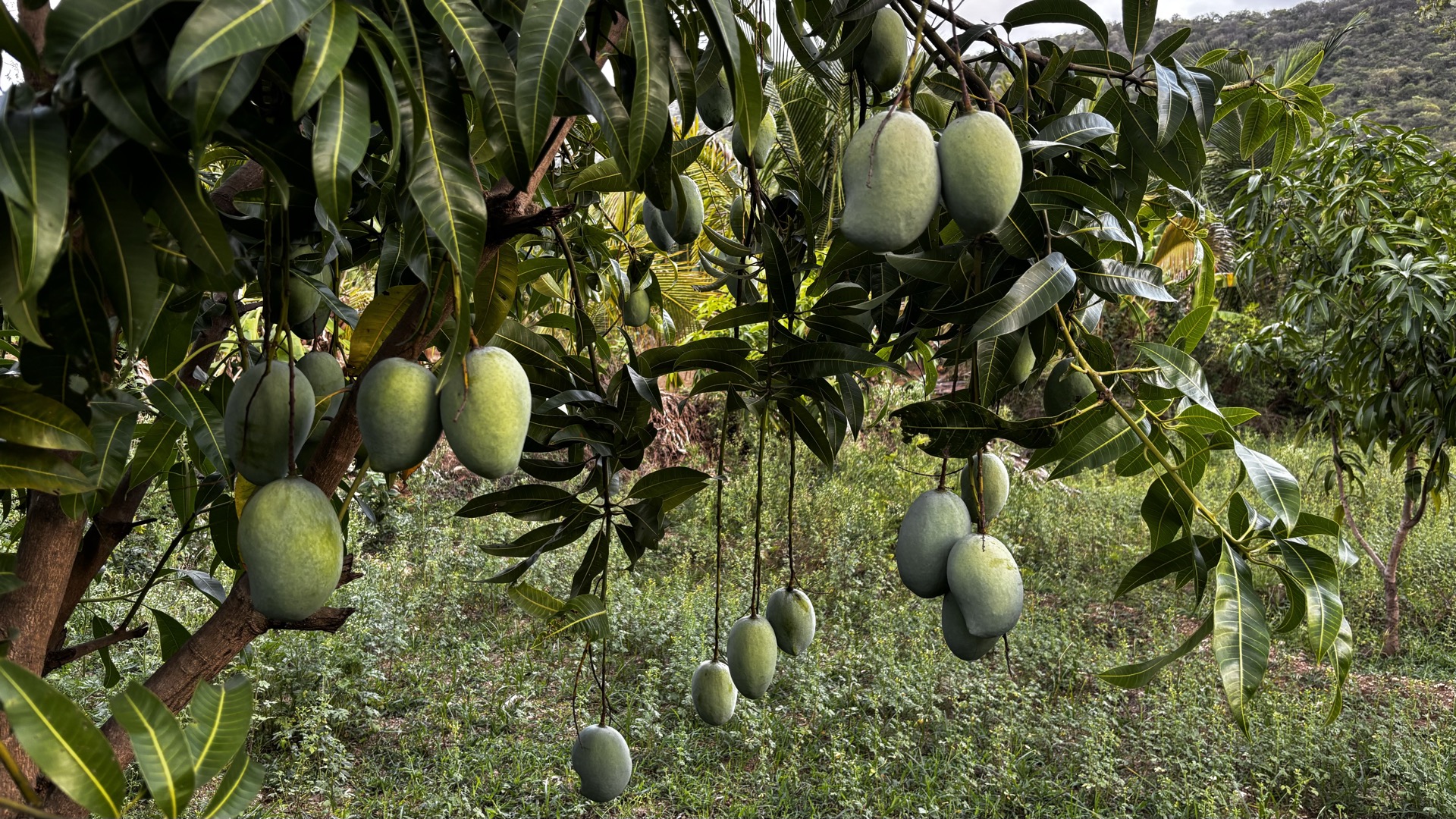
What is carbide ripening?
Calcium carbide is an industrial chemical. When it meets moisture it releases acetylene gas, which triggers a mango's skin to change colour quickly. Traders use it to turn green, often under-mature fruit yellow in a day or two so it can be sold sooner.
The problem is that colour is all it changes. The fruit has not ripened properly inside — and, as FSSAI warns, the acetylene released by calcium carbide carries harmful traces of arsenic and phosphorus. That is why it is banned for this use.
Is it legal in India?
No. Using calcium carbide to ripen fruit is prohibited under Regulation 2.3.5 of the Food Safety and Standards (Prohibition and Restrictions on Sales) Regulations, 2011, and FSSAI reminds traders of the ban every mango season. Ripening with ethylene gas is permitted under conditions FSSAI sets — ethylene is a hormone fruit produces naturally, and controlled ethylene ripening is the approved commercial method.
At NativeRoots we use neither: our mangoes ripen on their own in paddy hay.
Signs of a carbide-ripened mango
No single sign is proof, but several together are a strong hint:
- Too-perfect colour — uniformly bright yellow skin, or odd patches of yellow and green, rather than the gradual blush of tree-matured fruit.
- Raw inside — yellow outside but pale, hard or sour flesh within.
- Weak aroma — little or no mango smell at the stem end.
- Suspiciously fast — green fruit that turned fully yellow overnight.
- Shorter shelf life — black spots and spoilage within a couple of days.
- A tingling or burning sensation in the mouth or throat has been reported after eating carbide-ripened fruit.
Simple habits at home
Smell before you buy — fragrance is the hardest thing to fake. Wash mangoes under running water before cutting, and cut away the skin rather than biting into it. If a mango is yellow outside but sour and hard inside, it was probably picked immature and forced to colour.
How natural paddy-hay ripening works
Paddy hay — vaikkol in Tamil — is the traditional South Indian way to ripen mangoes, and the method our farming family has used for generations.
Mature fruit is placed in covered containers layered with hay. The hay holds in warmth and the ethylene the mangoes release themselves, so they ripen evenly from the inside out over 2–3 days. Sugars develop, the flesh softens and the full fragrance comes through — which is exactly what carbide cannot imitate.
Our practice
Every NativeRoots mango is hand-picked at the right stage of maturity and ripened in paddy hay. We have never used carbide, and we do not use ethylene gas, wax or cold storage. See how we ripen on the farm.
Sources
- FSSAI alerts fruit traders to ensure compliance with the prohibition of calcium carbide (Vikaspedia, Government of India)
- Food Safety and Standards (Prohibition and Restrictions on Sales) Regulations, 2011 — Regulation 2.3.5
Frequently asked questions
Is calcium carbide banned for ripening mangoes in India?
Yes. It is prohibited under Regulation 2.3.5 of the FSS (Prohibition and Restrictions on Sales) Regulations, 2011. Ethylene gas ripening is permitted under conditions set by FSSAI.
How can I tell if a mango is ripened with carbide?
Look for uniformly bright or patchy yellow skin with raw, sour flesh inside, weak aroma, and fruit that turned yellow unusually fast. Several of these signs together are a strong hint.
Is ethylene ripening the same as carbide?
No. Ethylene is a hormone fruit produces naturally, and controlled ethylene ripening is permitted. Carbide is an industrial chemical that is prohibited for ripening.
What is paddy hay ripening?
A traditional method where mature mangoes rest in covered containers with paddy hay (vaikkol) for 2–3 days. The hay keeps in warmth and the fruit's own ethylene, so it ripens naturally and evenly.
Are NativeRoots mangoes carbide-free?
Yes. We have never used carbide, and we do not use ethylene gas, wax or cold storage. Every mango is ripened naturally in paddy hay.